Posts in Category: Technology News
Lotus Eletre & Emeya: Major Revamps Redefine Electric Luxury

The automotive world is witnessing a revolution in the realm of electric luxury SUVs and hyper-GTs, with the Lotus Eletre and Emeya leading the charge. These groundbreaking vehicles showcase sleek, aerodynamic designs that seamlessly blend with innovative technology and electrifying performance, setting new standards for sustainable luxury. Lotus has introduced a new ‘600’ and ‘900’ model naming system, reflecting the impressive power outputs of these vehicles and providing customers with a clear choice between high-performance and ultra-high performance options.
The Lotus Eletre, a pure electric performance SUV, and the Emeya, a hyper-GT, are built upon the brand’s DNA of exceptional ride and handling, aerodynamic efficiency, and driver-focused engineering. Whether one seeks the thrill of exhilarating speed or the comfort of a supreme driving experience, these vehicles deliver an unparalleled combination of both. The Eletre and Emeya are designed to cater to the discerning tastes of luxury car enthusiasts who refuse to compromise on performance, sustainability, or style.

Performance and Charging Capabilities
The Lotus Eletre and Emeya boast remarkable performance figures that are sure to impress even the most demanding drivers. The ‘600’ models feature a potent 450 kW (612 hp) dual-motor powertrain with all-wheel drive, propelling the Emeya from 0-62 mph in a mere 4.15 seconds and the Eletre in just 4.5 seconds. For those seeking the ultimate in power and acceleration, the ‘900’ models deliver an astonishing 675 kW (918 hp), with the Emeya 900 capable of rocketing from 0-62 mph in a breathtaking 2.78 seconds.
In addition to their impressive performance, the Eletre and Emeya also excel in terms of charging capabilities. Utilizing advanced 800V battery technology, the Emeya can charge from 10-80% in just 14 minutes when connected to a 400kW DC charger, while the Eletre achieves the same feat in 20 minutes with a 350kW DC charger. This rapid charging capability, combined with ranges of up to 379 miles (Emeya) and 373 miles (Eletre) on the WLTP cycle, makes these vehicles ideal for those embarking on long electric road trips without the need for frequent and lengthy charging stops.

Pricing and Availability
The Lotus Eletre and Emeya are now available for order, with deliveries set to commence this summer at Lotus retailers worldwide. The Eletre 600 is priced competitively, starting at £84,990 (€99,990), while the Emeya 600 begins at £84,990 (€107,990 for the Emeya 600 GT in EU markets). These pricing levels position Eletre and Emeya as accessible options for discerning buyers who seek the perfect combination of luxury, performance, and sustainability in a single package.
Specifications
- Eletre 600: Equipped with a 450 kW (612 hp) dual-motor, 4WD, 112 kWh battery, 22kW onboard charger, active air suspension, 20-inch wheels, LED matrix headlights, KEF PREMIUM 15-speaker audio, 29″ HUD, 4-zone climate control, and a Jasper interior theme with LOTUSWEAR Performance Fabric.
- Eletre 900 SPORT CARBON: Boasting a 675 kW (918 hp) dual-motor, 2-speed transmission, extended exterior and interior carbon packs, an active rear spoiler, massaging and ventilated front seats, and soft-close doors.
- Emeya 600: Featuring a 450 kW (612 hp) dual-motor, 4WD, 102 kWh battery, 22kW onboard charger, active air suspension, 20-inch wheels, LED matrix headlights, KEF PREMIUM 15-speaker audio, 51″ HUD, 4-zone climate control, and a Jasper interior theme with LOTUSWEAR Performance Fabric.
- Emeya 900 SPORT CARBON: Powered by a 675 kW (918 hp) dual-motor, 2-speed transmission, extended exterior and interior carbon packs, an active rear diffuser, active front air dam, massaging and ventilated front seats, and soft-close doors.
Explore More from Lotus
For automotive enthusiasts intrigued by the groundbreaking Lotus Eletre and Emeya, the brand’s broader lineup offers a range of additional options worth exploring. From the exhilarating Emira sports car to the innovative Evija hypercar, Lotus continues to push the boundaries of performance, design, and innovation across its entire product range. Whether one is a passionate driving enthusiast or a tech-savvy luxury seeker, Lotus has carefully crafted a vehicle to cater to every discerning taste and preference. By consistently challenging the status quo and redefining the possibilities of automotive engineering, Lotus solidifies its position as a trailblazer in the industry, setting new standards for others to follow.
Source Lotus
Filed Under: Auto News, Technology News
Latest Geeky Gadgets Deals
Disclosure: Some of our articles include affiliate links. If you buy something through one of these links, Geeky Gadgets may earn an affiliate commission. Learn about our Disclosure Policy.
Nissan’s Electric Future: LEAF, Qashqai and Juke EVs Power Britain’s Roads

Nissan is charging ahead with its electrification strategy, unveiling a series of exciting updates and new models that promise to redefine the electric vehicle (EV) market. Among the highlights are the all-new Micra EV and the third-generation LEAF, both set to launch in 2025. These vehicles showcase Nissan’s commitment to innovation, sustainability, and innovative design, offering drivers a glimpse into the future of mobility.
The Micra EV, designed in London, is a compact electric car that combines bold styling with practicality. Built on the AmpR Small platform, it will feature two battery options, delivering a range of up to 248 miles. This platform, shared with the upcoming Renault R5, allows Nissan to optimize production costs while maintaining high standards of quality and performance. The Micra EV’s sleek, aerodynamic design not only turns heads but also contributes to its impressive range and efficiency.
Meanwhile, the third-generation LEAF, a pioneer in the EV revolution, will boast an aerodynamic design and advanced technology, making it a standout choice for eco-conscious drivers. Building upon the success of its predecessors, the new LEAF will feature an enhanced battery system, offering increased range and faster charging times. The vehicle’s interior will also receive significant upgrades, with a focus on comfort, connectivity, and user-friendly interfaces.
Pricing and Availability
The new Micra EV is expected to hit the market by the end of 2025, with production taking place at the Ampere ElectriCity plant in Douai, France. Pricing details are yet to be announced, but the Micra EV is anticipated to be competitively priced within the compact EV segment. This strategic pricing approach aims to make electric mobility more accessible to a wider audience, encouraging the adoption of EVs and contributing to a greener future.
Similarly, the third-generation LEAF will be manufactured at Nissan’s Sunderland plant in the UK, with availability also slated for 2025. The Sunderland plant has been a crucial hub for Nissan’s EV production, and the new LEAF’s manufacture there demonstrates the company’s commitment to investing in local communities and supporting the growth of the EV market in Europe.

As Nissan continues to expand its EV lineup, these models are expected to appeal to a wide range of customers, from urban commuters to long-distance travelers. The Micra EV’s compact size and efficient performance make it an ideal choice for city dwellers, while the LEAF’s increased range and advanced features cater to those who require more flexibility in their driving habits.
Enhanced e-POWER Technology
In addition to its new EV models, Nissan is upgrading its innovative e-POWER hybrid technology. This system, which has already gained popularity in the Qashqai, will see improvements in efficiency, emissions, and refinement. Designed to deliver a driving experience closer to that of a full EV, the updated e-POWER system is perfect for drivers who want the benefits of electric driving without the need for frequent recharging.

The e-POWER system combines a gasoline engine with an electric motor, allowing the engine to serve as a generator for the motor. This unique approach ensures that the wheels are always driven by the electric motor, resulting in instant torque delivery and a smooth, quiet driving experience. The enhancements to the e-POWER system will further optimize its performance, making it an even more compelling option for environmentally conscious drivers who prefer the convenience of a hybrid powertrain.
Specifications
- Micra EV:
- Platform: AmpR Small (shared with Renault R5)
- Battery Options: 40kWh and 52kWh
- Range: Up to 248 miles
- Production: Ampere ElectriCity plant, Douai, France
- Launch: End of 2025
- Third-Generation LEAF:
- Platform: CMF-EV (shared with Nissan Ariya)
- Design: Aerodynamic shape
- Production: Sunderland plant, UK
- Launch: 2025
- e-POWER Technology:
- Improvements: Enhanced efficiency, emissions, and refinement
- Driving Experience: Closer to a full EV
- Current Model: Qashqai
Exploring More from Nissan
Beyond the Micra EV and LEAF, Nissan is also preparing to launch the third-generation JUKE as a pure EV in 2026, inspired by the futuristic Hyper Punk concept. This move demonstrates Nissan’s commitment to expanding its EV offerings across various vehicle segments, catering to the diverse needs and preferences of its customers.
The Hyper Punk concept, which serves as the inspiration for the upcoming JUKE EV, showcases Nissan’s bold vision for the future of electric mobility. With its striking design, advanced technology, and exhilarating performance, the Hyper Punk concept provides a tantalizing glimpse of what the next-generation JUKE EV might offer.
For those interested in hybrid technology, the updated e-POWER system offers a compelling alternative to traditional hybrids. By combining the best aspects of electric and gasoline powertrains, e-POWER delivers a unique driving experience that prioritizes efficiency, performance, and user satisfaction.
Whether you’re a fan of compact cars, crossovers, or innovative hybrid systems, Nissan’s electrified lineup has something for everyone. As the company continues to invest in research and development, it is well-positioned to lead the charge in the rapidly evolving EV market.
In conclusion, Nissan’s electrified future looks brighter than ever, with the new Micra EV, third-generation LEAF, and updated e-POWER technology paving the way for a more sustainable and exciting driving experience. As the world moves towards a greener future, Nissan remains at the forefront of innovation, delivering innovative vehicles that combine style, performance, and environmental responsibility. Stay tuned for more updates as Nissan continues to redefine the automotive landscape and shape the future of mobility.
Source Nissan
Filed Under: Auto News, Technology News
Latest Geeky Gadgets Deals
Disclosure: Some of our articles include affiliate links. If you buy something through one of these links, Geeky Gadgets may earn an affiliate commission. Learn about our Disclosure Policy.
Mercedes-Benz AI and Humanoid Robots Revolutionize Berlin Factory

Artificial intelligence (AI) and humanoid robots are transforming industries worldwide, and the automotive sector is no exception. Mercedes-Benz is at the forefront of this revolution, integrating innovative AI technologies and humanoid robotics into its production processes. These advancements are not only enhancing efficiency but also redefining sustainability and innovation in manufacturing.
At the Mercedes-Benz Digital Factory Campus (MBDFC) in Berlin-Marienfelde, AI-powered tools like the MO360LLM Suite and Digital Factory Chatbot Ecosystem are streamlining operations. The MO360LLM Suite leverages natural language processing and machine learning to optimize production planning, resource allocation, and supply chain management. By analyzing vast amounts of data and providing actionable insights, this suite enables faster decision-making and improves overall operational efficiency.

Meanwhile, the Digital Factory Chatbot Ecosystem assists seamless communication between humans and machines, allowing workers to access real-time information and guidance through intuitive conversational interfaces. This ecosystem breaks down barriers between different departments and systems, fostering collaboration and knowledge sharing across the organization.
Humanoid robots such as Apptronik’s Apollo are taking on repetitive and physically demanding tasks, allowing human workers to focus on more complex and creative responsibilities. These robots are designed to work alongside humans, adapting to their needs and preferences. With advanced sensors, dexterity, and learning capabilities, humanoid robots can handle a wide range of tasks, from material handling and assembly to quality control and maintenance.
The integration of AI and humanoid robots is not only boosting productivity but also promoting a safer and more ergonomic work environment. By automating strenuous and hazardous tasks, these technologies reduce the risk of workplace injuries and improve overall employee well-being. Moreover, the collaboration between humans and machines fosters a culture of continuous learning and innovation, as workers gain new skills and insights from their robotic counterparts.

How the Robots are Being Used
Mercedes-Benz’s investment in AI and humanoid robotics reflects its commitment to innovation, with a low double-digit-million-euro investment into Apptronik. While these technologies are currently being tested and refined at the Berlin-Marienfelde facility, they are expected to be rolled out across the company’s global production network in the near future.
The first applications of these advancements will likely be seen in the production of the new Mercedes-Benz CLA and high-performance electric motors, starting next year. The CLA, a compact luxury sedan, will serve as a showcase for the company’s AI-driven manufacturing capabilities, demonstrating how these technologies can enhance quality, customization, and time-to-market.
The production of high-performance electric motors is another area where AI and humanoid robots are expected to make a significant impact. Mercedes-Benz is investing heavily in the development of advanced axial-flux motors, which offer superior power density, efficiency, and compact design compared to traditional radial-flux motors. The company has filed over 30 patents for new production techniques related to these motors, highlighting the level of innovation and expertise involved.

Specifications
- AI Tools: MO360LLM Suite, Digital Factory Chatbot Ecosystem, Virtual Multi-Agent System
- Humanoid Robots: Apptronik’s Apollo, designed for intralogistics and repetitive tasks
- Investment: Low double-digit-million-euro investment into Apptronik
- Electric Motor Production: Axial-flux motors with 100 production processes, 65 new to Mercedes-Benz, 35 new to the industry
- Patents: Over 30 patent filings for new production techniques
Summary
For readers intrigued by the intersection of AI and robotics, other areas of interest might include the role of augmented reality in training robots, the use of AI in quality control, and the broader implications of these technologies for sustainability in manufacturing.
Augmented reality (AR) is increasingly being used to train and program robots, allowing workers to visualize and interact with virtual models in real-world settings. By overlaying digital information onto the physical environment, AR enables more intuitive and efficient robot programming, reducing the time and cost associated with traditional methods.
AI-powered quality control systems are another area of growing interest in the automotive industry. By leveraging computer vision and machine learning algorithms, these systems can detect defects and anomalies with high accuracy and speed, ensuring consistent product quality and reducing waste.
Finally, the adoption of AI and humanoid robots in automotive production has significant implications for sustainability. By optimizing resource utilization, reducing energy consumption, and minimizing waste, these technologies can help manufacturers meet their environmental goals and contribute to a more sustainable future.
The shift to electric vehicle production and the development of high-performance electric motors are also key trends shaping the future of the automotive industry. As consumer demand for cleaner and more efficient transportation grows, manufacturers like Mercedes-Benz are investing heavily in the research and development of advanced electric powertrains. The integration of AI and humanoid robots in the production of these components will be crucial to achieving the scale, quality, and affordability required for widespread adoption.
Source Mercedes
Filed Under: AI, Auto News, Technology News
Latest Geeky Gadgets Deals
Disclosure: Some of our articles include affiliate links. If you buy something through one of these links, Geeky Gadgets may earn an affiliate commission. Learn about our Disclosure Policy.
Honda’s EV Revolution: 0 Saloon, 0 SUV & ASIMO OS Debut at CES 2025
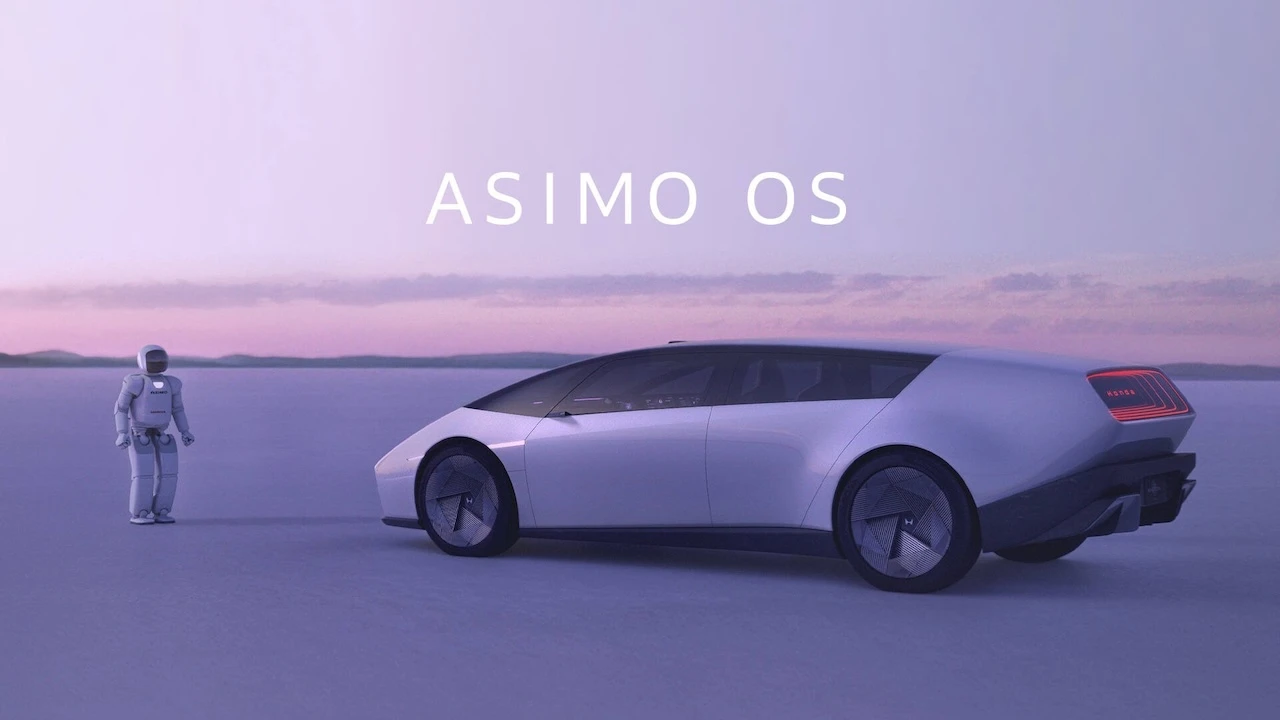
The Honda 0 Series is poised to transform the electric vehicle (EV) industry with its groundbreaking design, advanced technology, and innovative automation. Unveiled at the highly anticipated CES 2025, the Honda 0 Saloon and Honda 0 SUV prototypes showcase Honda’s unwavering commitment to creating EVs that not only prioritize environmental sustainability but also push the boundaries of technological innovation. These vehicles, built on Honda’s new dedicated EV architecture, embody the company’s “Thin, Light, and Wise” development philosophy, offering a unique combination of sleek styling, spacious interiors, and next-generation features that set them apart from the competition.
The Honda 0 Series represents a significant milestone in the company’s journey towards electrification, as it aims to redefine the way people perceive and interact with EVs. By leveraging innovative technologies and incorporating advanced materials, Honda has created vehicles that are not only efficient and environmentally friendly but also deliver an unparalleled driving experience. The Honda 0 Saloon, with its low height and sporty styling, offers a dynamic and engaging ride, while the Honda 0 SUV provides a spacious and versatile interior, perfect for families and adventure seekers alike.
ASIMO OS: The Brain Behind the Honda 0 Series
At the heart of the Honda 0 Series lies the ASIMO OS, Honda’s proprietary vehicle operating system. Drawing inspiration from the company’s iconic humanoid robot, ASIMO, this groundbreaking OS seamlessly integrates advanced robotics and artificial intelligence to deliver a personalized and intuitive driving experience. The ASIMO OS serves as the central hub for the vehicle’s various functions, allowing features such as Level 3 automated driving, ultra-personal optimization, and over-the-air (OTA) updates, ensuring that the vehicle continuously evolves to meet the changing needs and preferences of its users.

The development of the ASIMO OS marks a significant leap forward in automotive technology, as it transforms the Honda 0 Series into a software-defined vehicle (SDV). By leveraging the power of software and AI, Honda has created a vehicle that can adapt and improve over time, offering an unparalleled level of customization and convenience. The ASIMO OS’s advanced AI algorithms analyze driver behavior, preferences, and environmental factors to optimize the vehicle’s performance, safety, and comfort, creating a truly personalized driving experience.
Pricing and Availability
The Honda 0 Saloon and Honda 0 SUV are scheduled for a market launch in 2026, with initial rollouts planned for North America, followed by expansions to global markets, including Japan and Europe. While specific pricing details have not yet been disclosed, Honda has emphasized its commitment to making these advanced EVs accessible to a wide range of consumers. By focusing on affordability without compromising on innovative technology and performance, the Honda 0 Series is well-positioned to attract a diverse customer base, from tech-savvy early adopters to environmentally conscious families.

As the launch date approaches, automotive enthusiasts and industry experts eagerly await further information regarding the Honda 0 Series’ pricing structure and trim levels. Honda’s reputation for delivering high-quality, reliable vehicles at competitive price points has raised expectations for the affordability of these groundbreaking EVs. The company’s ability to strike a balance between advanced features and accessible pricing will be a key factor in determining the success of the Honda 0 Series in an increasingly crowded EV market.
Expanding Possibilities with Level 3 Automation
One of the most remarkable features of the Honda 0 Series is its Level 3 automated driving technology, which allows for “eyes-off” driving under certain conditions. This groundbreaking capability enables drivers to safely engage in secondary tasks, such as watching a movie or participating in a virtual meeting, while the vehicle assumes control of the driving functions. Honda’s unwavering commitment to safety and innovation ensures that this technology will be both reliable and user-friendly, paving the way for a future where mobility is more convenient, enjoyable, and productive than ever before.
The integration of Level 3 automation in the Honda 0 Series represents a significant step forward in the evolution of autonomous driving technology. By leveraging advanced sensors, cameras, and AI algorithms, the vehicle can accurately perceive its surroundings, anticipate potential hazards, and make split-second decisions to ensure the safety of its occupants and other road users. This level of automation not only enhances the driving experience but also has the potential to reduce accidents caused by human error, ultimately contributing to safer roads for everyone.

Specifications
- Honda 0 Saloon: Low height, sporty styling, spacious interior, dedicated EV architecture, Level 3 automated driving, ultra-personal optimization via ASIMO OS.
- Honda 0 SUV: Mid-size EV SUV, spacious cabin, clear field of view, 3D gyro sensor-based stabilization, “Thin, Light, and Wise” design approach.
- ASIMO OS: Integrated control of ECUs, OTA updates, advanced AI for automated driving and user customization, inspired by Honda’s robotics expertise.
- Level 3 Automation: Eyes-off driving, secondary task capability, advanced safety features, cooperative AI for real-world driving scenarios.
- System-on-Chip (SoC): High-performance AI processing, multi-die chiplet technology, 2,000 TOPS (Sparse) AI performance, 20 TOPS/W power efficiency.
Summary
For readers captivated by the groundbreaking features of the Honda 0 Series, there are several other areas of interest that warrant further exploration. One such area is the rapid advancements in EV battery technology, which play a crucial role in determining the range, performance, and overall viability of electric vehicles. As battery technology continues to evolve, with improvements in energy density, charging speeds, and lifecycle, EVs like the Honda 0 Series will become increasingly attractive to consumers seeking eco-friendly and cost-effective transportation options.
Another fascinating topic is the rise of software-defined vehicles (SDVs), which represent a paradigm shift in the automotive industry. SDVs, like the Honda 0 Series, rely heavily on software and AI to enable advanced features, personalization, and continuous improvements through over-the-air updates. As vehicles become more connected and data-driven, the role of software in the automotive sector will continue to grow, leading to new opportunities for innovation and collaboration between automakers and technology companies.
Furthermore, the integration of artificial intelligence (AI) in automotive safety systems is another area of significant interest. AI-powered algorithms can analyze vast amounts of data from sensors and cameras to identify potential hazards, predict driver behavior, and make split-second decisions to prevent accidents. The Honda 0 Series, with its advanced Level 3 automation and ASIMO OS, showcases the immense potential of AI in enhancing vehicle safety and creating a more intuitive and responsive driving experience.
Lastly, Honda’s collaboration with Renesas Electronics Corporation on the development of high-performance system-on-chip (SoC) technology highlights the growing importance of semiconductor innovation in the automotive industry. As vehicles become more reliant on advanced computing and AI processing, the development of powerful, energy-efficient SoCs will be critical to allowing the next generation of smart, connected, and autonomous vehicles.
These areas of interest offer a glimpse into the complex and rapidly evolving landscape of the automotive industry, where innovative technologies and innovative partnerships are driving the development of safer, more efficient, and more intelligent vehicles. As the Honda 0 Series prepares to make its mark on the EV market, it is clear that the future of mobility is not only electric but also deeply intertwined with advancements in software, AI, and semiconductor technology.
Source Honda
Filed Under: Auto News, Technology News
Latest Geeky Gadgets Deals
Disclosure: Some of our articles include affiliate links. If you buy something through one of these links, Geeky Gadgets may earn an affiliate commission. Learn about our Disclosure Policy.
BMW Unveils Mind-Blowing Panoramic iDrive at CES 2025
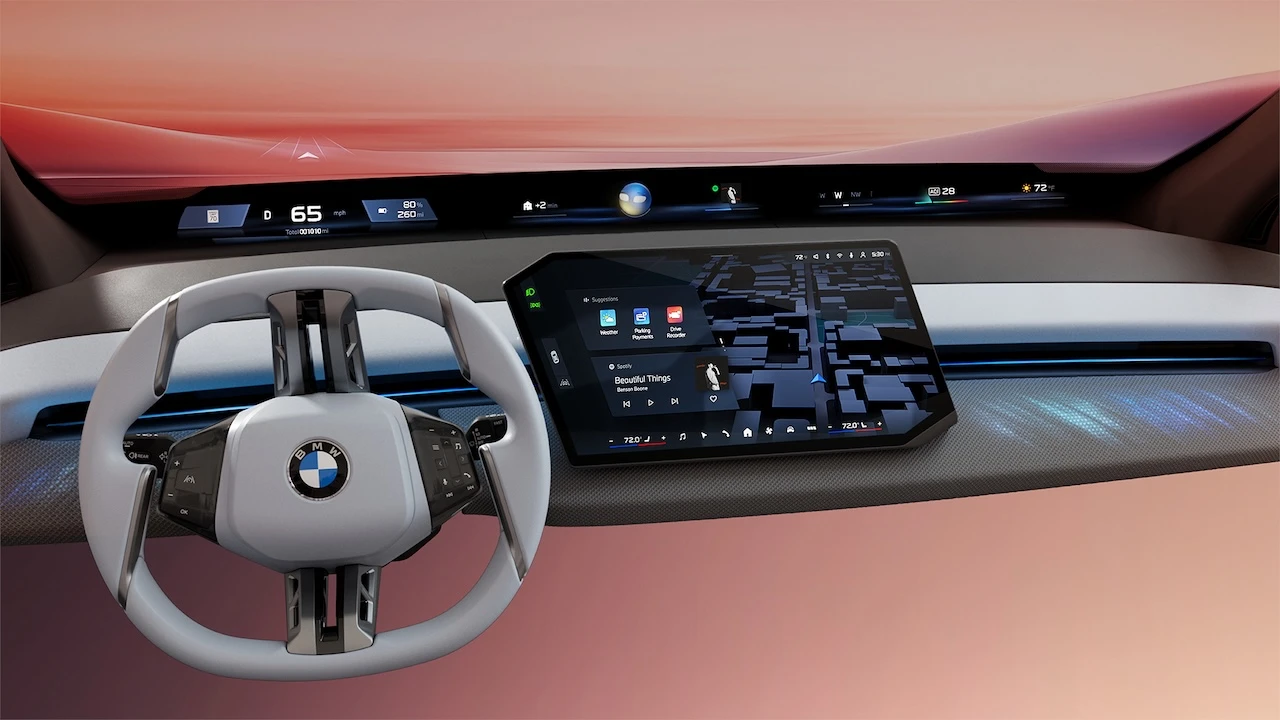
The BMW Panoramic iDrive, unveiled at CES 2025, represents a groundbreaking leap in automotive technology. This innovative system combines innovative hardware and software to deliver a seamless, intuitive driving experience. At its core is the BMW Panoramic Vision, an innovative head-up display that spans the width of the windshield, projecting critical driving information directly into the driver’s line of sight. Paired with the new BMW Operating System X, this system ensures that drivers and passengers alike enjoy a personalized, immersive, and distraction-free journey.
The Panoramic iDrive is designed to enhance the driving experience by providing drivers with real-time, contextual information about their surroundings, navigation, and vehicle status. By displaying this information directly in the driver’s field of vision, the system minimizes the need for drivers to take their eyes off the road, thereby improving safety and reducing cognitive load. The BMW Operating System X, built on an Android-based platform, offers a highly customizable and intuitive user interface that adapts to the driver’s preferences and habits over time.
Key Features of the BMW Panoramic iDrive
The Panoramic iDrive integrates four essential elements: the BMW Panoramic Vision, an optional 3D Head-Up Display, a central touchscreen with matrix backlight technology, and a multifunction steering wheel with haptic feedback. Together, these components create a cohesive and user-friendly interface. Drivers can customize the display content, seamlessly transfer widgets between screens, and interact with the system using touch, voice, or physical controls. This multimodal approach ensures that the driver remains focused on the road while enjoying unparalleled convenience and functionality.

The BMW Panoramic Vision is the centerpiece of the Panoramic iDrive system. This full-width head-up display projects a wealth of information across the entire windshield, from the left A-pillar to the right A-pillar. The display is designed to be unobtrusive, with a low-reflection surface that ensures excellent visibility even in bright sunlight. The optional 3D Head-Up Display takes this concept further, providing a three-dimensional representation of navigation and driving assistance visuals, enhancing the driver’s spatial awareness and reducing reaction times.
The central touchscreen features advanced matrix backlight technology, allowing for precise control over the display’s brightness and contrast. This technology enables the system to present information in a clear, easily readable format, even in challenging lighting conditions. The touchscreen also supports customizable widgets, allowing drivers to prioritize the information that matters most to them.

The multifunction steering wheel incorporates haptic feedback buttons with an illuminated shy-tech design. This approach ensures that the buttons are easily accessible when needed but blend seamlessly into the steering wheel’s design when not in use. The haptic feedback provides a tactile confirmation of button presses, reducing the need for drivers to glance down at the steering wheel.
Pricing and Availability
The BMW Panoramic iDrive will debut in the first series-produced Neue Klasse models at the end of 2025. It will then be rolled out across all new BMW models, regardless of segment or drivetrain technology. While pricing details have not yet been disclosed, the system is expected to be offered as standard or optional equipment depending on the model. Customers can anticipate further announcements regarding availability and pricing closer to the launch date.

The introduction of the Panoramic iDrive across BMW’s entire lineup demonstrates the company’s commitment to delivering innovative technology to all its customers. By making the system available in a wide range of models, BMW ensures that drivers can enjoy the benefits of this innovative technology regardless of their vehicle choice or budget.
Specifications
- BMW Panoramic Vision: Full-width head-up display projecting information from A-pillar to A-pillar.
- BMW 3D Head-Up Display (optional): Integrated navigation and driving assistance visuals in the driver’s field of vision.
- Central Display: Matrix backlight technology with customizable widgets and ergonomic placement.
- Multifunction Steering Wheel: Haptic feedback buttons with illuminated shy-tech design for intuitive control.
- BMW Operating System X: Android-based software with enhanced personalization, over-the-air updates, and third-party app integration.
- BMW Intelligent Personal Assistant: Voice-activated assistant with natural language processing and proactive suggestions.
- HypersonX Sound Experience: 43 sound signals and adaptive driving sounds for enhanced emotional engagement.
The BMW Operating System X is a key component of the Panoramic iDrive, offering a highly personalized and adaptable user experience. Built on an Android-based platform, the system supports over-the-air updates, ensuring that drivers always have access to the latest features and improvements. The operating system also allows for the integration of third-party apps, expanding the range of available services and functionalities.
The BMW Intelligent Personal Assistant is another standout feature of the Panoramic iDrive. This voice-activated assistant uses advanced natural language processing to understand and respond to driver requests. The assistant can also proactively suggest actions based on the driver’s habits and preferences, such as recommending a frequently visited destination or reminding the driver of upcoming appointments.
Finally, the HypersonX Sound Experience adds an emotional dimension to the driving experience. With 43 distinct sound signals and adaptive driving sounds, the system creates an immersive audio environment that responds to the vehicle’s movements and the driver’s actions. This feature enhances the driver’s sense of connection with the vehicle and provides a more engaging driving experience.
Summary
Beyond the Panoramic iDrive, BMW continues to push the boundaries of automotive technology. From advanced driver assistance systems to sustainable electric drivetrains, the brand is committed to delivering innovative solutions for modern mobility. For those interested in the future of connected vehicles, BMW’s integration of artificial intelligence and large language models promises to redefine how drivers interact with their cars. Stay tuned for more updates on BMW’s innovative journey.
As the automotive industry continues to evolve, BMW remains at the forefront of technological advancement. The company’s ongoing research and development efforts span a wide range of areas, including autonomous driving, smart city integration, and advanced materials science. By continuously investing in these areas, BMW aims to shape the future of mobility and deliver unparalleled driving experiences to its customers.
In the realm of sustainability, BMW is committed to reducing its environmental impact and promoting the adoption of electric vehicles. The company’s “Power of Choice” strategy offers customers a range of drivetrain options, including fully electric, plug-in hybrid, and mild-hybrid systems. By providing a diverse portfolio of sustainable mobility solutions, BMW aims to cater to the varying needs and preferences of its global customer base.
As the launch of the BMW Panoramic iDrive approaches, automotive enthusiasts and technology aficionados alike eagerly await the opportunity to experience this groundbreaking system firsthand. With its innovative features, intuitive interface, and commitment to enhancing the driving experience, the Panoramic iDrive represents a significant step forward in the evolution of automotive technology.
Source BMW
Filed Under: Auto News, Technology News
Latest Geeky Gadgets Deals
Disclosure: Some of our articles include affiliate links. If you buy something through one of these links, Geeky Gadgets may earn an affiliate commission. Learn about our Disclosure Policy.
Audi Q6 e-tron Off-Road Concept: Redefining Electric Adventure

The Audi Q6 e-tron off-road concept is setting a new benchmark in the world of electric vehicles, combining innovative technology with rugged off-road capabilities. Designed to tackle the most challenging terrains, this concept vehicle features two electric motors delivering a combined power output of 380 kW. With its innovative portal axles, the Q6 e-tron can climb gradients of up to 100 percent, making it a catalyst for adventurers seeking sustainable yet powerful off-road solutions. This groundbreaking concept showcases Audi’s commitment to pushing the boundaries of electric mobility while maintaining the brand’s renowned performance and luxury standards.

Conquering Tough Terrain with Ease
The Audi Q6 e-tron off-road concept is built to handle the most demanding off-road conditions. Its advanced all-wheel-drive system, coupled with the innovative portal axles, ensures optimal traction and stability on various surfaces, from rocky trails to steep inclines. The vehicle’s impressive ground clearance and approach and departure angles further enhance its off-road prowess, allowing drivers to navigate obstacles with confidence. Additionally, the Q6 e-tron’s advanced suspension system adapts to the terrain, providing a smooth and comfortable ride even in the most challenging environments.

Innovative Portal Axles for Maximum Torque
One of the standout features of the Audi Q6 e-tron off-road concept is its newly designed portal axles. Unlike conventional designs, these axles increase torque at the wheels by an impressive 50 percent, delivering a combined torque of 13,400 Nm (9,883 lb-ft). This innovation not only enhances climbing ability but also ensures superior performance on uneven terrain. While the top speed is limited to 175 km/h (108 mph), this trade-off is more than compensated by its ability to conquer gradients of up to 45 degrees with ease. The portal axles also contribute to the vehicle’s increased ride height and wider track, further improving its off-road capabilities.

Sustainable Performance and Efficiency
The Audi Q6 e-tron off-road concept not only excels in performance but also sets new standards in sustainability and efficiency. Built on the Premium Platform Electric (PPE), this concept vehicle is designed to optimize range, charging performance, and overall energy management. The advanced battery technology and efficient electric motors ensure that the Q6 e-tron can tackle long off-road adventures without compromising on performance or environmental impact. Audi’s commitment to sustainability is evident in the vehicle’s eco-friendly materials and production processes, making it a responsible choice for environmentally conscious off-road enthusiasts.

Pricing and Availability
Although the Audi Q6 e-tron off-road concept is currently a prototype, its debut hints at the future of electric off-road vehicles. Based on the Premium Platform Electric (PPE), the production model is expected to set new standards in range, efficiency, and charging performance. Pricing details have not yet been announced, but the vehicle will make its public debut on February 1, 2025, at the F.A.T. Ice Race. Stay tuned to Audi’s social media channels (@Audi Sport) for updates and announcements on availability. As the market for electric vehicles continues to grow, the Q6 e-tron off-road concept represents a significant step forward in the realm of sustainable adventure vehicles.

Specifications
- Power Output: 380 kW from dual electric motors
- Torque: Combined torque of 13,400 Nm (9,883 lb-ft)
- Top Speed: 175 km/h (108 mph)
- Climbing Gradient: Up to 100 percent (45 degrees)
- Ride Height Increase: 160 mm (6.3 in)
- Wider Track: 250 mm (9.8 in)
- Platform: Premium Platform Electric (PPE)
Summary
For those intrigued by the Audi Q6 e-tron off-road concept, other areas of interest might include Audi’s advancements in electric vehicle platforms, the evolution of quattro technology, and the growing trend of sustainable off-road vehicles. Whether you’re an off-road enthusiast or an EV advocate, the Q6 e-tron off-road concept is a glimpse into the future of adventure-ready electric mobility. As the automotive industry continues to evolve, Audi remains at the forefront, delivering innovative solutions that combine performance, luxury, and environmental responsibility.
Source Audi
Filed Under: Auto News, Technology News
Latest Geeky Gadgets Deals
Disclosure: Some of our articles include affiliate links. If you buy something through one of these links, Geeky Gadgets may earn an affiliate commission. Learn about our Disclosure Policy.
BMW Vision Driving Experience: Heart of Joy Endurance Test

The BMW Heart of Joy is a groundbreaking control unit designed to redefine the electric driving experience. Developed entirely in-house by BMW, this innovative technology integrates drivetrain, braking, energy recuperation, and steering functions into a single high-performance system. With processing speeds ten times faster than previous systems, the Heart of Joy ensures unparalleled precision, efficiency, and driving pleasure. This advanced system is set to power the next generation of BMW’s Neue Klasse electric vehicles, delivering a seamless and intuitive driving experience that combines performance with sustainability.
The Heart of Joy represents a significant leap forward in automotive technology, as it consolidates multiple critical functions into a single, highly optimized unit. By streamlining the control of various vehicle systems, BMW aims to enhance the overall performance, responsiveness, and energy efficiency of their electric vehicles. This holistic approach to vehicle control is expected to set a new standard in the industry, as manufacturers strive to create more integrated and intelligent driving systems.
Pricing and Availability
While the BMW Vision Driving Experience test vehicle showcasing the Heart of Joy is not slated for production, the control unit itself will debut in the first Neue Klasse electric model, set to begin production later this year at BMW’s Plant Debrecen in Hungary. Pricing details for the upcoming Neue Klasse models have not yet been disclosed, but BMW’s commitment to innovation and efficiency suggests a competitive offering in the premium electric vehicle market.

The introduction of the Heart of Joy in the Neue Klasse lineup marks a significant milestone for BMW, as the company continues to invest heavily in the development of innovative electric vehicle technologies. By launching this innovative control unit in a dedicated production facility, BMW demonstrates its commitment to scaling up the manufacturing of advanced components, ensuring that the benefits of the Heart of Joy can be enjoyed by a wide range of customers.
Efficiency and Performance Redefined
The Heart of Joy introduces a new level of efficiency, increasing energy usage by up to 25% through advanced energy recuperation. This means that in everyday driving, 98% of braking is handled by energy regeneration, reducing reliance on traditional friction brakes. Additionally, the system delivers precise cornering and smooth stopping, ensuring a harmonious and noiseless driving experience. Whether navigating tight corners or cruising at low speeds, the Heart of Joy provides unmatched stability and control.
The increased efficiency offered by the Heart of Joy has significant implications for the overall performance and range of electric vehicles. By optimizing energy recuperation during braking, the system can extend the driving range of the vehicle, addressing one of the key concerns of potential electric car buyers. Moreover, the precise control over cornering and stopping enables a more engaging and confident driving experience, further enhancing the appeal of electric vehicles.
Technology That Sets a New Standard
The Heart of Joy is one of four central control units in the Neue Klasse’s innovative electronics architecture. It works in tandem with BMW’s Dynamic Performance Control software to deliver millisecond-level response times, ensuring that all connected actuators operate with minimal delay. This integration allows for seamless transitions between acceleration, braking, and energy recuperation, making the driving experience more intuitive and enjoyable than ever before.

The advanced electronics architecture of the Neue Klasse vehicles, of which the Heart of Joy is a crucial component, represents a significant step forward in the development of intelligent and connected vehicles. By allowing rapid communication between various control units and actuators, BMW is laying the foundation for future advancements in automated driving and vehicle-to-vehicle communication. As the industry moves towards more autonomous and interconnected vehicles, the technologies pioneered in the Heart of Joy will play a crucial role in shaping the future of mobility.
Specifications
- Control Unit: Heart of Joy, integrating drivetrain, braking, energy recuperation, and steering functions.
- Processing Speed: Ten times faster than previous systems.
- Torque: 18,000 Newton metres (13,269 lb-ft) in the Vision Vehicle test rig.
- Efficiency: Up to 25% increase through energy recuperation.
- Braking: 98% of braking handled by energy regeneration; friction brakes used only in emergencies.
- Software: BMW Dynamic Performance Control, developed in-house.
- Electronics Architecture: One of four central control units in Neue Klasse vehicles.
Summary
For those intrigued by BMW’s advancements, the Neue Klasse lineup promises additional innovative features, including automated driving capabilities, enhanced infotainment systems, and sustainable design principles. Whether you’re a tech enthusiast or a driving purist, BMW’s commitment to innovation ensures there’s something for everyone in their next-generation electric vehicles.
As the automotive industry continues to evolve, BMW remains at the forefront of technological development, consistently pushing the boundaries of what is possible in terms of performance, efficiency, and user experience. The Heart of Joy is just one example of the company’s dedication to creating groundbreaking solutions that will shape the future of mobility. As more consumers embrace electric vehicles, innovations like the Heart of Joy will play a crucial role in accelerating the transition to a more sustainable and exciting driving future.
Source BMW
Filed Under: Auto News, Technology News
Latest Geeky Gadgets Deals
Disclosure: Some of our articles include affiliate links. If you buy something through one of these links, Geeky Gadgets may earn an affiliate commission. Learn about our Disclosure Policy.